In Ethiopia there were two popular architecture style in the time of Axumite and Gondarine but there were also a lot of building in the time of 8th-century BC multi-story tower at Yehain Ethiopia, believed to have been the capital of D’mt Ashlar Masonry was especially dominant during this period, owing to south Arabian influence where the style was extremely common for monumental structures.
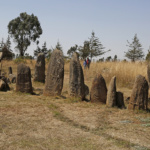
The first and the most popular architecture style in Ethiopia is Aksumite architecture, which flourished in the region from the 4th century BC onward. It persisted even after the transition from Aksumite dynasty to the zagwe dynasty in the 12th century, as attested by the numerous Aksumite influences in and around the medieval churches of Lalibela. Stelae (hawilts) and later entire churches were carved out of single blocks of rock. Most structures, however, like palaces, villas, commoner's houses, and other churches and monasteries, were built of alternating layers of stone and wood. The protruding wooden support beams in these structures have been named "monkey heads" and are a staple of Aksumite architecture and a mark of Aksumite influence in later structures. Aksumite architecture and influences and its monolithic tradition persisted, with its influence strongest in the early medieval (Late Aksumite) and Zagwe periods (when the churches of Lalibela were carved).BeteMedhaneAlem in Lalibela, is the largest monolithic church in the world.
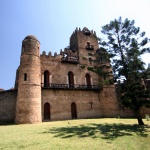
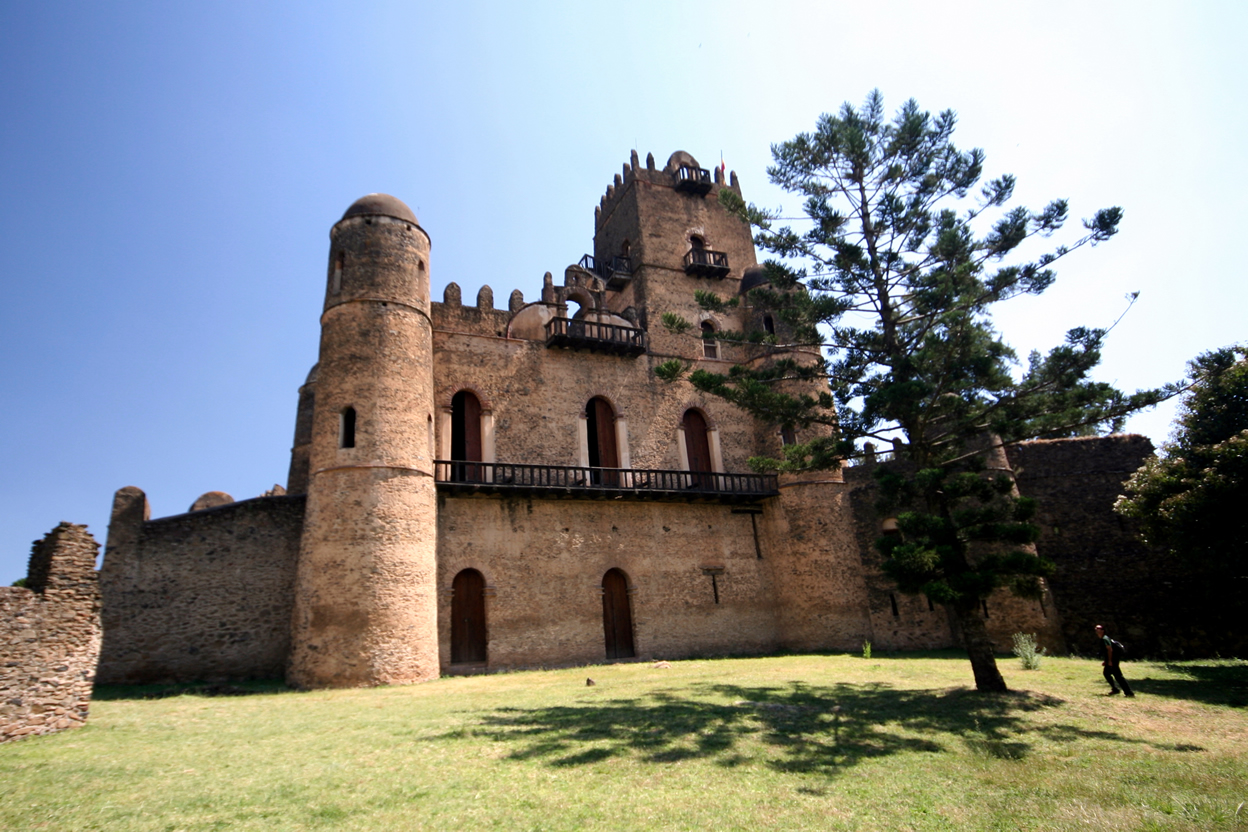
The other Architecture style is during the early modern period (Godarine Architecture), the absorption of new diverse influences such as Baroque, Arab, Turkish and Gujarati Indian style began with the arrival of Portuguese Jesuit missionaries in the 16th and 17th centuries. Portuguese soldiers had initially come in the mid-16th century as allies to aid Ethiopia in its fight against Adal, and later Jesuits came hoping to convert the country. Some Turkish influence may have entered the country during the late 16th century during its war with the Ottoman Empire, which resulted in an increased building of fortresses and castles. Ethiopia, naturally easily defensible because of its numerous ambas or flat-topped mountains and rugged terrain, yielded little tactical use from the structures in contrast to their advantages in the flat terrain of Europe and other areas, and so had until this point little developed the tradition. One of the most Famous Example is the Fasil Ghebbi (royal enclosure of castles) in Gonder.
Source: https://en.wikipedia.org/wiki/Architecture_of_Ethiopia